 Posted by chezdanypizza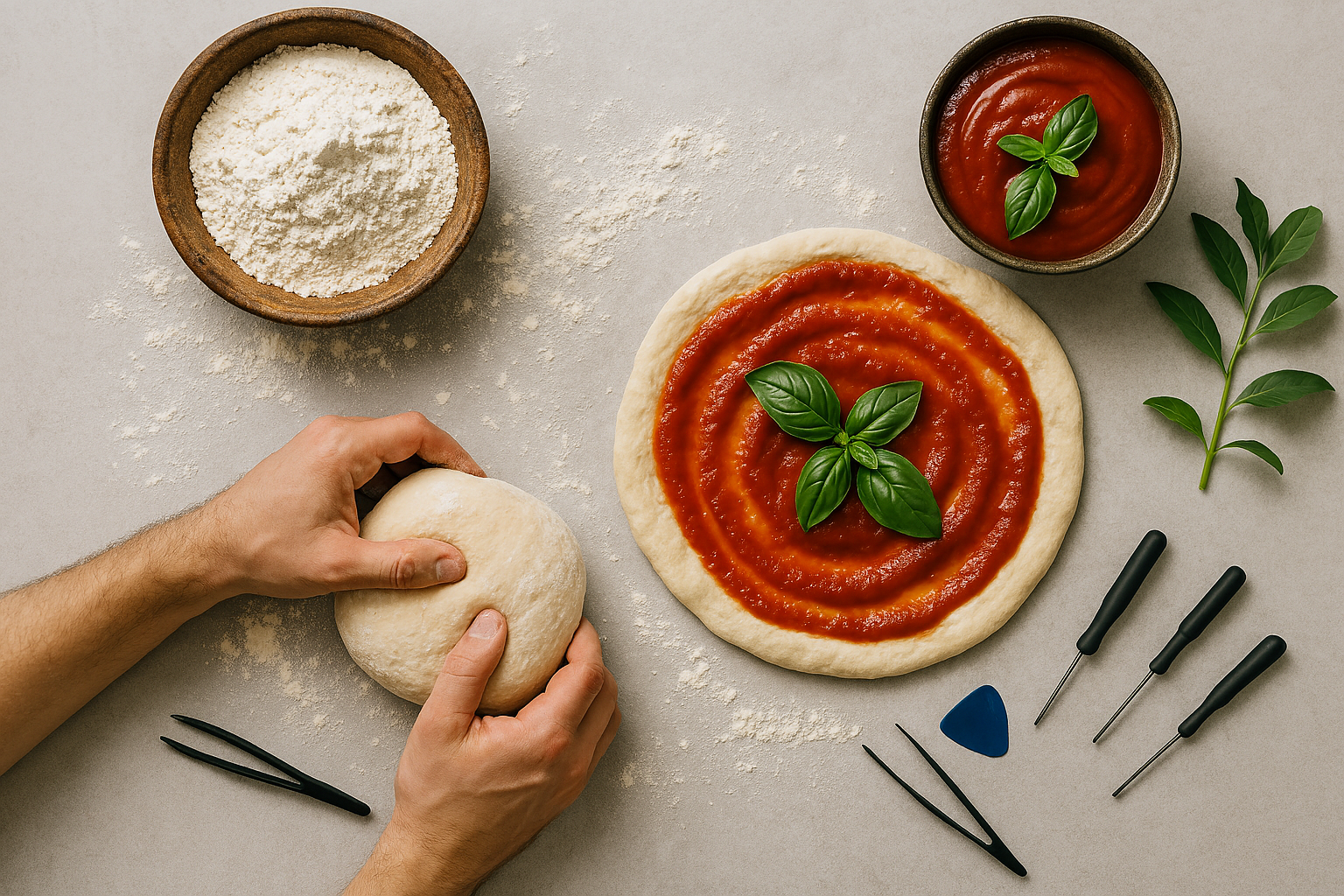
Qu’est-ce qui rend la pâte à pizza de Chez Dany si spéciale?
When searching for the best pizza Plateau / meilleure pizza Plateau, discerning food lovers consistently point to one crucial element that separates exceptional pizza from the ordinary: the dough. At Chez Dany Pizza on Saint Denis Street, the secret to their legendary status in Montreal’s vibrant Plateau neighborhood lies not just in premium toppings or artisanal sauces, but in a time-honored approach to crafting pizza dough that transforms simple ingredients into culinary magic.
The foundation of any great pizza begins long before the first topping touches the surface. It starts in the early morning hours when skilled pizzaiolos begin the meticulous process of creating dough that will become the canvas for Montreal’s most beloved pizza experience. This comprehensive exploration reveals the artistry, science, and passion behind what makes Chez Dany’s pizza dough truly extraordinary.
For over two decades, Chez Dany has perfected their dough recipe through careful observation, countless experiments, and an unwavering commitment to quality that has earned them recognition as serving some of the finest pizza in Montreal’s competitive food scene.
The Science Behind Perfect Pizza Dough
La science derrière la pâte à pizza parfaite
Ingredient Selection and Quality
The journey to exceptional pizza dough begins with sourcing premium ingredients that form the foundation of flavor and texture. High-quality flour serves as the cornerstone, with protein content carefully selected to achieve optimal gluten development and structure.
Professional-grade 00 flour, traditionally used in authentic Italian pizzerias, provides the fine texture and superior elasticity that allows dough to stretch thin without tearing. This creates the perfect balance between a crispy exterior and tender, airy interior that defines exceptional pizza.
Water quality plays a surprisingly crucial role in dough development. Montreal’s naturally soft water creates ideal conditions for yeast activation and gluten formation, contributing to the unique characteristics that make local pizza dough distinctive.
Sea salt not only enhances flavor but also strengthens gluten networks, improving dough elasticity and creating better texture in the finished crust. Premium olive oil adds richness and helps create the golden-brown color that signals perfectly baked pizza.
Fermentation Process and Time
The magic of exceptional pizza dough happens during fermentation, where time becomes an ingredient as important as flour or water. Slow, cold fermentation allows enzymes to break down complex carbohydrates, developing deep, complex flavors impossible to achieve through quick preparation methods.
Extended fermentation periods, often lasting 24-72 hours, create the characteristic tangy notes and improved digestibility that distinguishes artisanal pizza from mass-produced alternatives. This patience-requiring process cannot be rushed without sacrificing quality.
Temperature control during fermentation affects yeast activity and flavor development. Consistent refrigeration slows fermentation while allowing flavor compounds to develop gradually, creating the perfect balance of taste and texture.
Professional pizzaiolos monitor fermentation progress through visual cues, texture changes, and timing, adjusting conditions to achieve consistent results despite variations in ambient temperature and humidity.
Gluten Development Techniques
Proper gluten development creates the elastic network that allows pizza dough to stretch thin while maintaining structural integrity. Hand-kneading techniques, passed down through generations of pizza makers, develop gluten gradually without overworking the dough.
The windowpane test, where properly developed dough can be stretched thin enough to see through without tearing, indicates optimal gluten formation. This technique requires experience and intuition that comes from years of practice.
Autolyse, the process of allowing flour and water to hydrate before adding yeast and salt, improves gluten development and creates more extensible dough. This technique enhances both workability and final texture.
Folding techniques during bulk fermentation strengthen gluten networks while maintaining the delicate air bubbles that create light, airy crust texture.
Traditional Techniques vs Modern Methods
Techniques traditionnelles vs méthodes modernes
Hand-Mixing and Artisanal Approach
Traditional hand-mixing techniques allow pizzaiolos to feel dough development and adjust hydration, timing, and technique based on tactile feedback impossible to achieve with mechanical mixing.
The human touch in dough preparation creates subtle variations that contribute to artisanal character. Experienced hands can detect proper gluten development, optimal hydration levels, and fermentation progress through texture and resistance.
Hand-stretching techniques preserve delicate gas bubbles formed during fermentation, creating the irregular, rustic appearance that characterizes authentic artisanal pizza. Machine-rolled dough lacks these characteristic air pockets and texture variations.
Traditional wooden tools and surfaces impart subtle flavors and help regulate moisture during preparation, contributing to the complex flavor profile that defines exceptional pizza dough.
Time-Honored Recipes and Family Traditions
Many exceptional pizzerias guard family recipes passed down through generations, with subtle modifications and improvements made over decades of experience. These recipes often include unconventional ingredients or techniques that create distinctive characteristics.
Seasonal adjustments to recipes account for variations in flour moisture content, ambient temperature, and humidity that affect fermentation and dough behavior. Master pizza makers intuitively adjust ratios and timing based on environmental conditions.
Cultural traditions influence dough preparation methods, with Italian, New York, and Neapolitan styles each requiring specific techniques and ingredients to achieve authentic results.
The apprenticeship system in traditional pizzerias ensures knowledge transfer from master craftsmen to new generations, preserving techniques that might otherwise be lost to industrialization.
Quality Control and Consistency
Maintaining consistent quality across hundreds of pizzas daily requires systematic approaches to measurement, timing, and technique. Professional kitchens balance artisanal methods with quality control systems.
Temperature monitoring throughout the preparation process ensures consistent fermentation and optimal dough development. Digital thermometers and environmental controls help maintain ideal conditions.
Batch tracking systems allow pizzaiolos to monitor fermentation times and adjust preparation schedules to ensure optimal dough quality during peak service periods.
Training programs ensure all staff understand proper techniques and can identify quality indicators that determine when dough is ready for use.
The Role of Local Ingredients
Le rôle des ingrédients locaux
Montreal’s Water and Climate Impact
Montreal’s unique water composition contributes to distinctive dough characteristics impossible to replicate elsewhere. The mineral content and pH levels create ideal conditions for yeast development and gluten formation.
Seasonal variations in humidity and temperature require adjustments to fermentation timing and hydration levels. Experienced pizzaiolos adapt their techniques to account for these environmental factors.
Local flour mills provide access to regional wheat varieties with unique flavor profiles and baking characteristics. These specialty flours contribute to the distinctive taste that defines Montreal-style pizza.
The city’s food culture and traditions influence ingredient sourcing and preparation methods, creating regional variations that reflect local preferences and available products.
Sourcing Premium Ingredients
Relationships with local suppliers ensure access to the freshest, highest-quality ingredients available. Long-term partnerships allow for consistent sourcing and quality control.
Seasonal ingredient availability influences menu development and allows pizzaiolos to showcase local produce at peak freshness and flavor.
Quality standards for ingredient sourcing often exceed industry norms, with premium products selected based on flavor, consistency, and production methods rather than cost alone.
Direct sourcing from producers eliminates intermediaries and ensures ingredients meet specific quality requirements while supporting local agriculture and food producers.
Dough Preparation Process
Processus de préparation de la pâte
Daily Preparation Rituals
The pizza dough preparation begins before dawn, with experienced bakers following time-tested routines that ensure consistent quality throughout service. Temperature readings, ingredient measurements, and timing all follow precise protocols developed over years of refinement.
Mixing techniques follow specific sequences designed to optimize gluten development while maintaining dough temperature within ideal ranges. Hand-mixing allows for immediate adjustments based on dough behavior and environmental conditions.
Bulk fermentation requires careful monitoring and periodic assessments to determine optimal timing for dividing and shaping. Visual cues, texture changes, and aroma development guide experienced pizzaiolos through this critical phase.
Portioning and pre-shaping create individual dough balls that undergo final fermentation before service. Proper technique ensures uniform size and consistent texture across all pizza bases.
Temperature and Timing Controls
Dough temperature management affects fermentation speed, flavor development, and final texture. Professional kitchens use thermometers and environmental controls to maintain optimal conditions throughout the process.
Fermentation timing varies based on environmental conditions, requiring adjustments to preparation schedules. Experienced bakers intuitively modify timing based on visual and tactile cues.
Proofing environments with controlled temperature and humidity ensure consistent fermentation regardless of seasonal variations or weather conditions.
Final proofing timing before stretching affects dough workability and final crust characteristics. Properly proofed dough stretches easily without tearing while maintaining structural integrity.
Quality Assessment Techniques
Visual inspection reveals fermentation progress through surface appearance, bubble development, and color changes. Experienced eyes can determine optimal timing and identify potential issues before they affect quality.
Texture assessment through gentle handling indicates proper gluten development and fermentation completion. Properly developed dough feels smooth, elastic, and slightly tacky without being sticky.
Aroma development during fermentation creates the characteristic yeasty, slightly tangy scent that indicates healthy fermentation and flavor development.
The poke test determines final proofing readiness by observing how quickly dough springs back when gently pressed. Properly proofed dough slowly fills the indentation without collapsing.
Pizza Styles and Dough Variations
Styles de pizza et variations de pâte
Neapolitan-Style Characteristics
Authentic Neapolitan pizza dough requires specific flour types, hydration levels, and fermentation methods that create the characteristic thin, leopard-spotted crust with puffy, airy edges.
High-temperature baking in wood-fired ovens creates rapid crust development while maintaining tender interior texture. The intense heat requires dough with specific moisture content and gluten structure.
Traditional Neapolitan dough uses minimal ingredients—flour, water, salt, and yeast—allowing the fermentation process and baking technique to create complex flavors and textures.
Stretching techniques for Neapolitan pizza preserve air bubbles and create the irregular, rustic appearance that characterizes authentic preparation methods.
New York-Style Adaptations
New York-style pizza dough requires higher gluten flour and different hydration levels to create the characteristic chewy texture and foldable slices that define this iconic style.
Longer fermentation periods and specific yeast ratios create the slightly tangy flavor and improved digestibility associated with quality New York pizza.
Hand-stretching techniques for New York-style pizza create uniform thickness while maintaining the tender interior and crispy exterior that allows slices to support generous toppings.
Baking techniques and oven temperatures for New York-style pizza differ from Neapolitan methods, requiring adjustments to dough formulation and preparation timing.
Sicilian and Pan Pizza Considerations
Thick-crust variations require different dough formulations with adjusted hydration levels and fermentation methods to achieve proper texture and structure.
Pan pizza preparation involves additional rising time in oiled pans, creating the characteristic crispy bottom and edges that define this popular style.
Oil incorporation techniques for pan pizza dough create rich flavor and improved texture while contributing to the golden-brown color associated with quality thick-crust pizza.
Topping distribution and baking methods for thick-crust pizzas require dough with sufficient structure to support heavy ingredients without becoming soggy.
The Art of Hand-Stretching
L’art de l’étirage à la main
Proper Technique Development
Hand-stretching pizza dough requires years of practice to master the gentle manipulation that creates thin, even bases without tearing delicate gluten networks.
Gravity-assisted stretching techniques use the dough’s own weight to achieve uniform thickness while preserving the air bubbles that create light, airy texture.
Temperature considerations for stretching affect dough pliability and workability. Properly tempered dough stretches easily without snapping back or tearing.
Flour dusting techniques prevent sticking while allowing smooth movement across work surfaces. Too much flour affects dough hydration, while too little causes sticking and tearing.
Preserving Air Structure
Gentle handling during stretching preserves the delicate air bubbles formed during fermentation, creating the irregular texture that characterizes artisanal pizza crust.
Edge handling techniques maintain the thicker border that creates the characteristic raised edge while ensuring even thickness throughout the center.
Timing between stretching and topping affects final texture, with properly stretched dough ready for immediate topping and baking to prevent textural changes.
Transfer techniques from work surface to peel require skill and confidence to avoid damaging carefully stretched dough bases.
Seasonal Considerations
Considérations saisonnières
Winter Adjustments
Montreal’s cold winters affect kitchen temperatures and humidity levels, requiring adjustments to fermentation timing and environmental controls.
Heating systems can create dry conditions that affect dough surface moisture, requiring modifications to storage techniques and timing.
Ingredient temperature variations require attention to mixing water temperature and ingredient handling to maintain consistent dough temperature.
Extended fermentation periods during cold weather may require timing adjustments to ensure optimal dough quality during service hours.
Summer Modifications
High summer temperatures accelerate fermentation, requiring adjustments to yeast quantities and fermentation timing to maintain consistent quality.
Humidity variations affect flour moisture content and dough hydration, requiring experienced bakers to make intuitive adjustments based on environmental conditions.
Air conditioning systems can create temperature variations throughout kitchens, affecting fermentation consistency and requiring monitoring of dough storage conditions.
Peak summer demand requires careful planning to ensure adequate dough production without compromising quality through rushed preparation.
Professional Assistance Available
Assistance professionnelle disponible
While these techniques can be studied independently, those with limited culinary experience or time constraints may benefit from professional expertise. At Chez Dany Pizza, our team of skilled pizzaiolos provides the best pizza Plateau / meilleure pizza Plateau experience through decades of perfected dough-making techniques. Visit our restaurant to taste the difference that artisanal preparation makes.
Our master pizza makers have spent years perfecting every aspect of dough preparation, from ingredient selection to final stretching techniques. Experience the results of this dedication in every bite of our carefully crafted pizzas.
Health and Nutritional Benefits
Avantages pour la santé et la nutrition
Digestibility Improvements
Extended fermentation periods break down complex carbohydrates and gluten proteins, creating more digestible pizza that causes fewer digestive issues for sensitive individuals.
Natural fermentation processes develop beneficial bacteria and enzymes that support digestive health while creating complex flavors impossible to achieve through commercial yeast alone.
Lower glycemic impact results from fermentation processes that modify starch structures, creating steadier blood sugar responses compared to quickly prepared doughs.
Nutritional Enhancement
Fermentation increases availability of nutrients and minerals while creating beneficial compounds that support overall health.
Whole grain flour options provide additional fiber, vitamins, and minerals while maintaining excellent taste and texture when properly incorporated into traditional recipes.
Reduced sodium options are possible through flavor development during fermentation, allowing for lower salt content without sacrificing taste.
Natural ingredient approaches avoid artificial additives and preservatives while delivering superior flavor and nutrition through traditional preparation methods.
The Customer Experience
L’expérience client
Sensory Elements
The aroma of fresh-baked pizza dough creates an immediate sensory experience that signals quality and authenticity to customers entering the restaurant.
Visual presentation of hand-stretched dough with characteristic irregular edges and varied thickness demonstrates artisanal preparation methods.
Texture variations in properly prepared crust provide contrasting sensations that enhance the overall eating experience and customer satisfaction.
Sound elements, from the sizzle of baking crust to the satisfying crunch of perfectly prepared edges, contribute to the complete sensory experience.
Education and Transparency
Open kitchen designs allow customers to observe dough preparation and stretching techniques, creating transparency and demonstrating quality commitment.
Staff knowledge about preparation methods allows for customer education and builds appreciation for artisanal techniques and quality ingredients.
Menu descriptions that highlight preparation methods and ingredient sources help customers understand value and quality differences.
Consistency and Reliability
Quality control systems ensure consistent results across all pizzas, building customer trust and encouraging repeat visits.
Staff training programs maintain preparation standards and ensure all team members understand proper techniques and quality indicators.
Feedback systems allow for continuous improvement and quality monitoring based on customer experiences and preferences.
Innovation and Tradition Balance
Équilibre entre innovation et tradition
Modern Equipment Integration
Contemporary ovens and temperature control systems enhance consistency while maintaining traditional flavor profiles and texture characteristics.
Precision measuring tools ensure accurate ingredient ratios while preserving the artisanal character of hand-prepared dough.
Environmental controls create optimal conditions for fermentation while allowing traditional techniques to achieve superior results.
Preserving Authentic Methods
Traditional hand-mixing and stretching techniques are preserved despite available mechanical alternatives because they create superior texture and character.
Recipe development continues to follow traditional principles while incorporating modern understanding of fermentation science and ingredient behavior.
Training methods combine traditional apprenticeship approaches with modern food safety and quality control systems.
Conclusion
The exceptional quality of Chez Dany’s pizza dough results from a perfect marriage of time-honored techniques, premium ingredients, and unwavering commitment to artisanal excellence. Every element, from the careful selection of flour to the patient fermentation process, contributes to creating what many consider the best pizza Plateau has to offer.
Understanding the complexity behind seemingly simple pizza dough reveals the true artistry involved in creating exceptional pizza. The dedication to traditional methods, combined with precise attention to detail and quality ingredients, transforms basic components into the foundation for Montreal’s most memorable pizza experiences.
This commitment to excellence in dough preparation reflects a broader philosophy that prioritizes quality over convenience, tradition over shortcuts, and customer satisfaction over profit margins. The result is pizza that not only satisfies hunger but creates lasting memories and brings people together around shared appreciation for culinary craftsmanship.
When you taste pizza made with properly prepared artisanal dough, the difference is unmistakable. Visit Chez Dany Pizza on Saint Denis Street to experience firsthand what makes their pizza dough truly special and discover why discerning food lovers consistently choose quality over convenience.
FAQ Section
How long does it take to make pizza dough from scratch?
Traditional pizza dough requires 24-72 hours for optimal flavor development through slow fermentation. While basic dough can be made in 2-3 hours, extended fermentation creates the complex flavors and improved digestibility that characterizes exceptional pizza. Professional pizzerias prepare dough days in advance to ensure optimal quality.
What makes Montreal pizza dough different from other cities?
Montreal’s unique water composition and climate create distinctive conditions for dough preparation. The city’s soft water is ideal for yeast development and gluten formation, while seasonal temperature variations require specific techniques that have evolved to suit local conditions. These factors contribute to the characteristic flavor and texture of Montreal-style pizza.
Can I make restaurant-quality pizza dough at home?
While home bakers can create excellent pizza dough, restaurant-quality results require professional-grade ingredients, precise temperature control, and years of experience. Factors like flour protein content, fermentation timing, and stretching techniques significantly impact final quality. Home bakers can achieve good results with patience and practice, but professional preparation creates superior consistency and flavor.
Why does fermentation time matter so much for pizza dough?
Extended fermentation allows enzymes to break down complex carbohydrates and develop flavor compounds that create the characteristic tangy taste and improved digestibility of artisanal pizza. Longer fermentation also strengthens gluten networks, creating better texture and allowing dough to stretch thin without tearing. This process cannot be rushed without sacrificing quality.
What’s the difference between 00 flour and regular flour for pizza?
00 flour is milled to a finer texture than regular flour and typically has optimal protein content for pizza dough. This creates superior gluten development and allows for easier stretching while producing the characteristic tender yet chewy texture. While regular flour can be used, 00 flour produces more authentic results and better handling characteristics for traditional pizza preparation.


6 Comments
Back-to-School Bites: Why Families Love Our Pizza - Chez Dany Pizza
Posted on: 18/07/2025[…] professional restaurant expertise. At Chez Dany Pizza, our team specializes in creating the perfect family pizza restaurant Montreal / restaurant pizza familial Montréal experience that brings families together through exceptional […]
Vegetarian Pizza Montreal | Chez Dany's Fresh Plant-Based
Posted on: 18/07/2025[…] gluten-free crusts require different preparation techniques and ingredients to achieve satisfactory texture and flavor. Investment in proper gluten-free options demonstrates […]
5 Meilleures Garnitures Pizza Été Montréal | Chez Dany
Posted on: 18/07/2025[…] montréalais offre une palette exceptionnelle de saveurs qui transforment l’humble pizza en véritable œuvre d’art culinaire. Des tomates cerises gorgées de soleil du Lac-Saint-Jean aux herbes aromatiques des […]
Pizza Delivery vs Takeout: What's Best for Plateau Residents? - Chez Dany Pizza
Posted on: 18/07/2025[…] Occasions spéciales nécessitant la perfection […]
Pizza Delivery vs Takeout Plateau | Guide Complet 2025
Posted on: 18/07/2025[…] Occasions spéciales nécessitant la perfection […]
Support Local Pizza Montreal | Why Choose Plateau Restaurants
Posted on: 18/07/2025[…] making a choice that extends far beyond satisfying your appetite. The decision between calling a local pizza Montreal establishment or ordering from a national chain creates ripples throughout your […]